

Smart Tips for Buying a Used Car Without Getting Burned
Buying a used car can be one of the smartest financial decisions you make or one of the costliest mistakes. The difference comes down to a few key checks that most buyers skip. Here's everything you need to know.
4 min read
•
Published 6 months ago
1. Always Run a Vehicle History Report
Before visiting a car in person, pull a vehicle history report using the car's VIN. Services like Carfax or AutoCheck reveal past accidents, title issues (salvage, flood, rebuilt), the number of previous owners, and verified odometer readings. Always confirm the VIN on the car matches the one on the title and the report. Also, check the NHTSA or NTSA recall database for any open safety recalls.
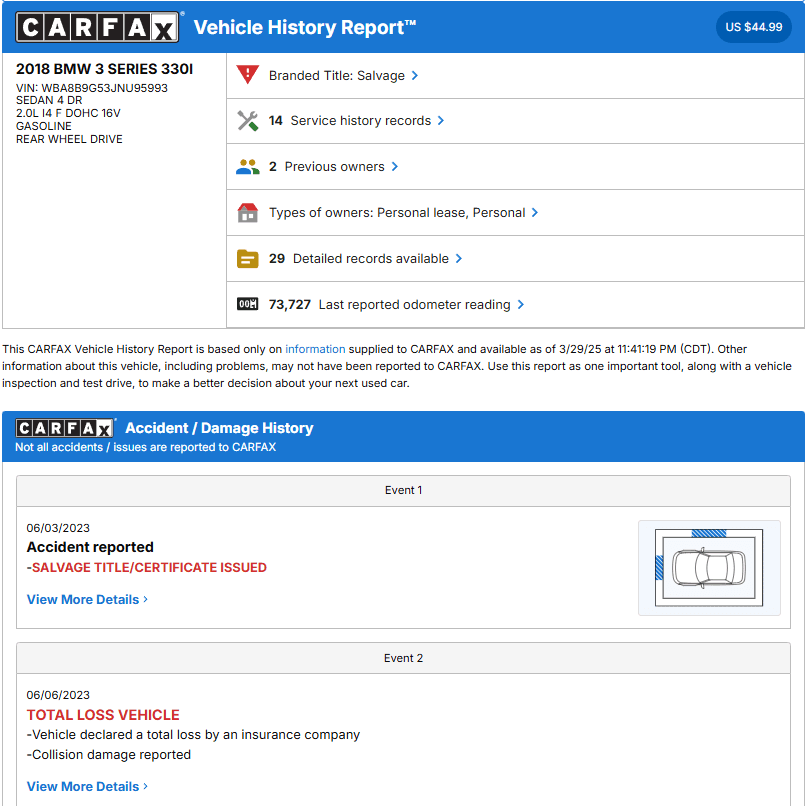
Source: carfax
💡 Pro Tip: A mismatched VIN between the car, title, and report is a major red flag. Walk away immediately.
2. Inspect the Exterior in Daylight
Always inspect a used car during daylight on a dry day; floodlights and rain can hide dents, rust, and paint defects. Walk the entire car and look at every panel, the roof, wheel wells, and the undercarriage. Look for mismatched paint, uneven body panel gaps, or overspray on rubber door seals, all signs of past accident repairs. Push down on each corner to test the shock absorbers: a healthy car rebounds once and settles.
⚠️ Warning: Paint that looks slightly different in texture near the doors or trunk often means the car was repainted to hide prior damage.
3. Check the Tires for Wear and Alignment Clues
Check that all four tires are from the same brand; mismatched tires wear unevenly and have different speed ratings. Use the penny test: insert a penny head-down into the tread groove. If you can see all of Lincoln's head, the tires are legally worn and need replacing. Uneven wear on one edge usually points to alignment or suspension problems. Don't forget the spare tire either.
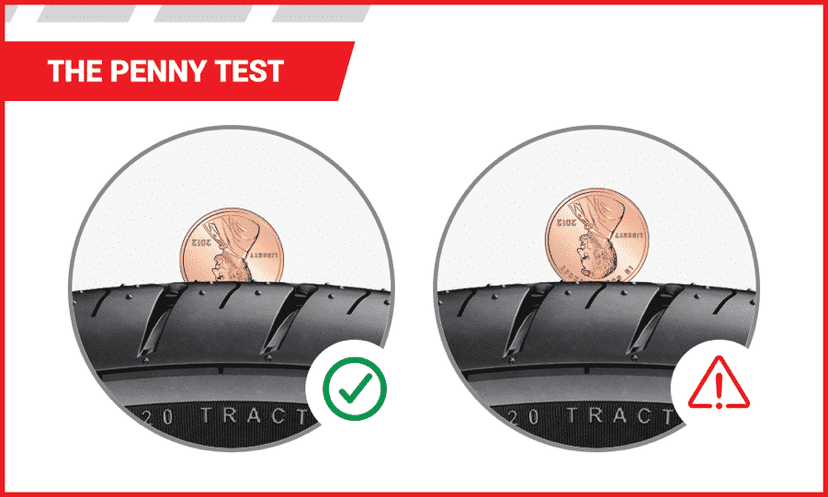
Source: Driving Press
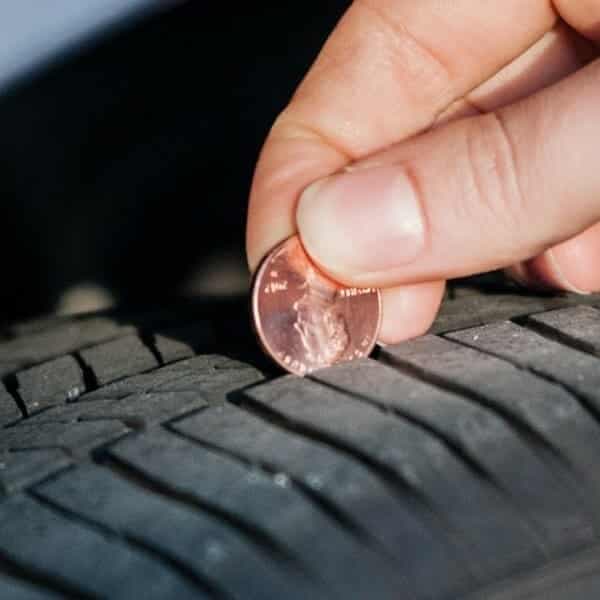
Source: Driving press
💡 Pro Tip: Worn tires are a legitimate negotiation tool. Factor in a $600(Kes 60,000)–$1,000(Kes 150,000) replacement cost and ask the seller to reduce the price accordingly.
4. Pop the Hood: Engine and Fluid Check
Source: Hitches Guide
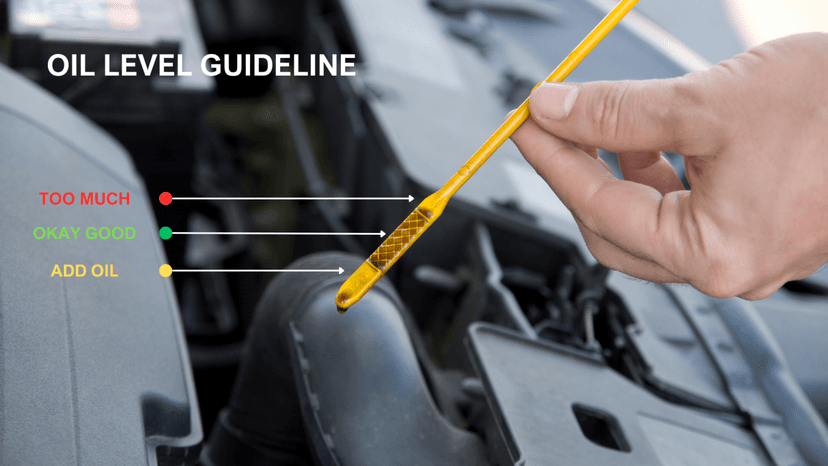
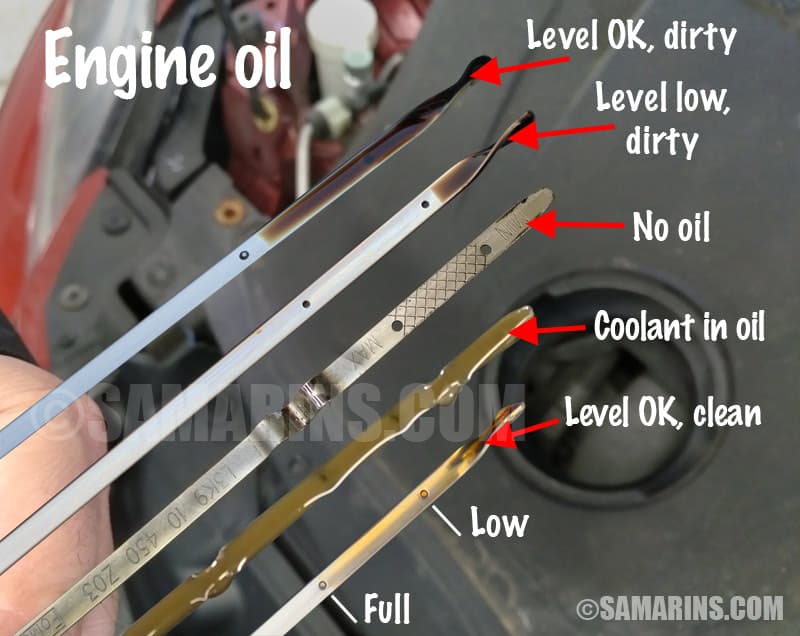
Ask the seller not to drive the car for at least an hour before your visit so you can do a cold start. A cold engine reveals smoke, unusual knocking, or rough idle that a warm engine might hide. Check the engine oil with the dipstick. Dirty, gritty, or burnt-smelling oil signals poor maintenance. Look at transmission fluid (should be pinkish, not dark brown). Inspect belts and hoses for cracks and check for leaks or rust around the engine mounts.
Source: samarins
⚠️ Red Flag: A milky or frothy appearance on the oil cap could indicate a blown head gasket — one of the most expensive repairs possible.
5. Inspect the Interior and All Electronics
Source: swantys chrysler dodge jeep
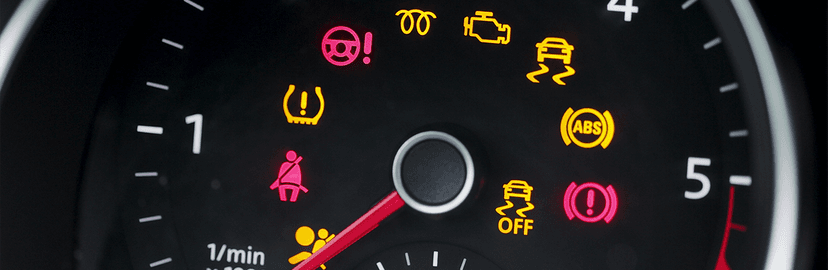
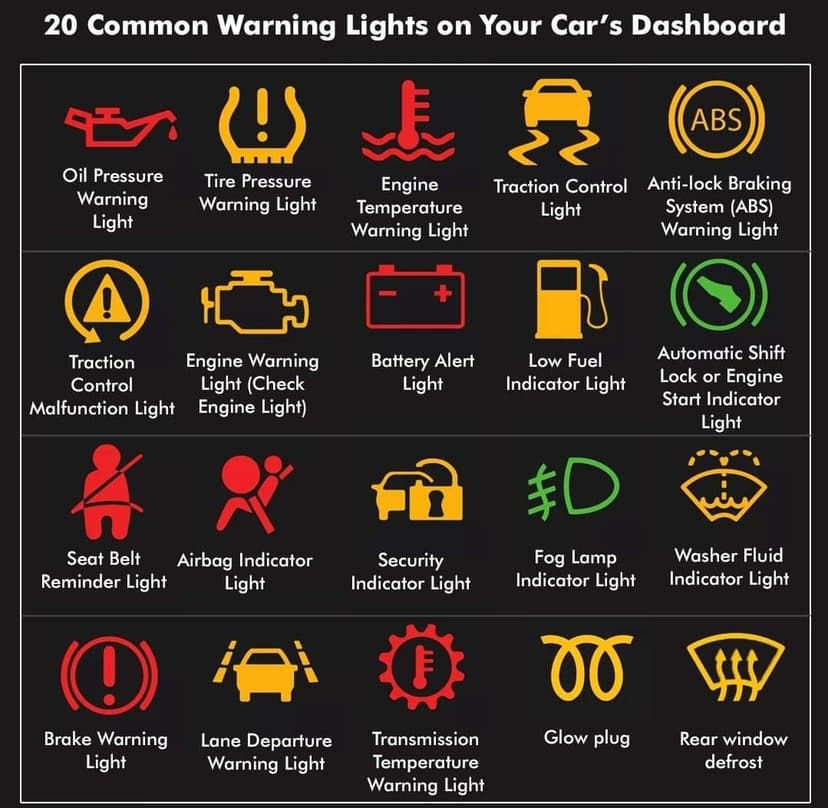
Check the upholstery for stains, tears, and odors; musty smells often indicate water damage or flooding. Inspect the trunk for moisture or leaks. Test every button, switch, and screen: air conditioning, heater, radio, power windows, seat controls, mirrors, turn signals, windshield wipers, and the sunroof. Make sure every door opens, closes, and latches cleanly. Check all seatbelts for fraying.
Source: artofit
⚠️ Warning: Never ignore dashboard warning lights that a seller waves off as "just a sensor." Have a mechanic read the diagnostic codes before buying.
6. Take a Thorough Test Drive
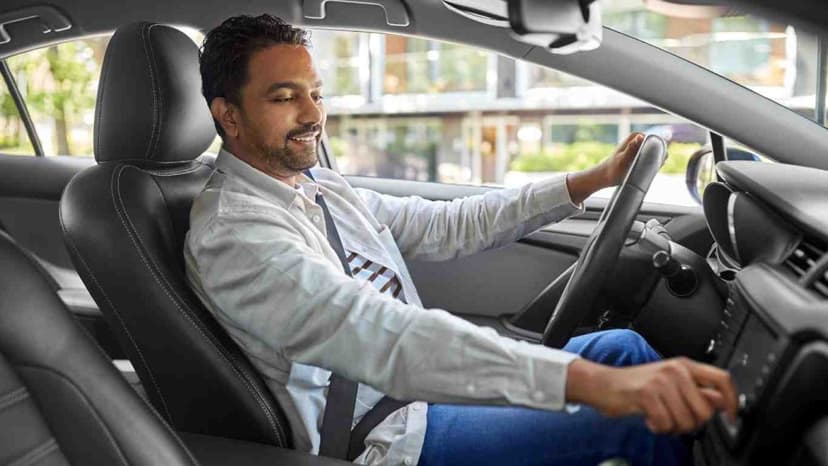
Turn the radio off so you can hear everything the car does. Drive at highway speeds and in stop-and-go city traffic. Go over speed bumps slowly to feel the suspension. Test brakes at various speeds; they should stop the car straight, without pulling, grinding, or vibration. Watch the temperature gauge at the end of the drive; it should sit in the middle, never creeping toward red.
Source: westland auto sales
💡 Pro Tip: Harsh shifting, hesitation, or slipping in an automatic transmission is a costly fix; factor in a $2,000+ transmission rebuild into your decision.
7. Get a Pre-Purchase Inspection by a Mechanic
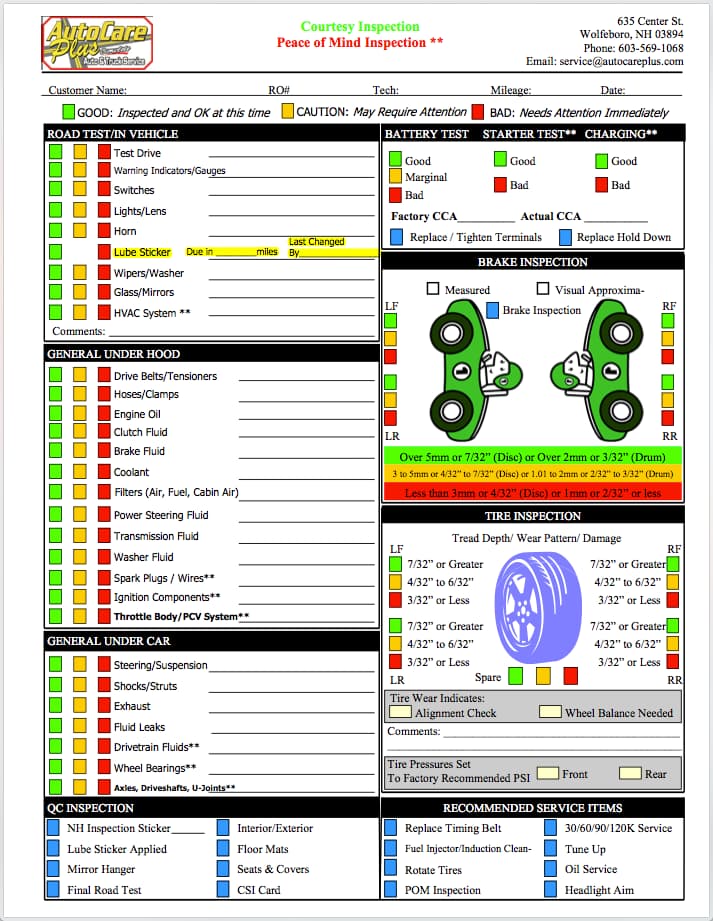
This is the single most important step that buyers skip. Pay $100–$150 to have an independent mechanic do a full pre-purchase inspection before finalizing any purchase. A trained mechanic with proper tools will catch things invisible to the naked eye, transmission wear, brake thickness, hidden flood damage, and engine compression issues.
If the seller refuses to allow an independent inspection, walk away. That refusal alone is your answer.
Source: auto care plus
💡 Pro Tip: A $150(Kes 3,000 - Kes 10,000) inspection can uncover $3,000–$8,000 in hidden repair costs.
8. Negotiate With Confidence Using Data
Never accept the sticker price as final. Research the fair market value before visiting. Any issue found during your inspection, such as worn tires, minor rust, or a noisy belt, is a legitimate reason to negotiate lower. Before signing, make sure all verbal promises (repairs, warranties, extras) are written into the purchase agreement. Check the title: a "clean" title means no liens; a "salvage" or "rebuilt" title means the car was written off by an insurer.

Source: carnutter
💡 Pro Tip: Getting pre-approved for a car loan from your bank or credit union before visiting gives you real negotiating power and helps you avoid inflated dealer financing rates.
Quick Buyer's Checklist
- Run a Vehicle History Report (VIN check)
- Inspect body panels, paint, and panel gaps
- Check tires, tread depth, and spare tire
- Inspect engine, oil, fluids, and belts
- Test all interior electronics and A/C
- Check for dashboard warning lights
- Test drive on the highway, city, and speed bumps
- Get an independent mechanic's inspection
- Verify the title is clean
- Negotiate using market data and inspection findings